Heel Pain Treatment in Yarmouth serving Portland, ME
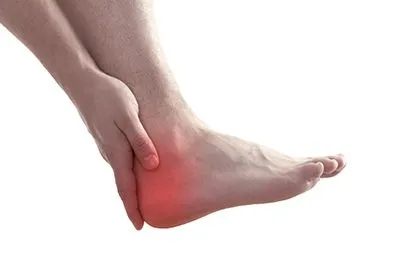
Common Causes of Heel Pain
One of the most common causes of heel pain is plantar fasciitis, an inflammation of the plantar fascia, the thick band of tissue that runs along the bottom of the foot. This condition often presents as sharp pain in the heel, especially with the first steps in the morning or after prolonged periods of sitting. Additionally, heel spurs, which are bony growths on the underside of the heel bone, can develop as a result of plantar fasciitis and contribute to discomfort.
Another common cause of heel pain is Achilles tendonitis, which occurs when the Achilles tendon, located at the back of the heel, becomes inflamed. This condition is often associated with overuse, particularly in athletes.
Bursitis, which is the inflammation of the bursa (a small fluid-filled sac that cushions the heel), can also lead to heel pain. Less common causes include fractures in the heel bone and, in older children and younger teenagers, inflammation of the growth plate.
The Role of Podiatry in Treating Heel Pain
At Coastal Maine Foot and Ankle, Dr. Barry White will conduct a thorough evaluation to determine the cause of your heel pain. This may include a physical examination, a review of your medical history, and imaging tests to gain a clearer understanding of your condition.
Treatments for heel pain at our Yarmouth, Maine, office include conservative measures such as rest and ice to alleviate pain and reduce inflammation. Custom orthotic devices can provide additional support, helping to redistribute pressure away from the heel. Specialized exercises can help strengthen the muscles and improve flexibility, promoting better foot mechanics. Over-the-counter pain relievers may also be recommended to help manage discomfort and inflammation. In more severe cases, additional treatments such as corticosteroid injections or, in rare instances, surgery may be considered.
Preventing Heel Pain
Preventing heel pain involves making conscious choices about footwear and lifestyle. Wearing shoes that provide sufficient arch support and cushioning is essential for maintaining foot health. Avoiding high heels reduces the risk of developing heel pain.
Incorporating regular stretching and strengthening exercises into your routine can also promote flexibility and stability in the feet and ankles. If you engage in high-impact activities, consider using cushioned insoles or orthotics to provide additional support.